


What is Music Therapy?
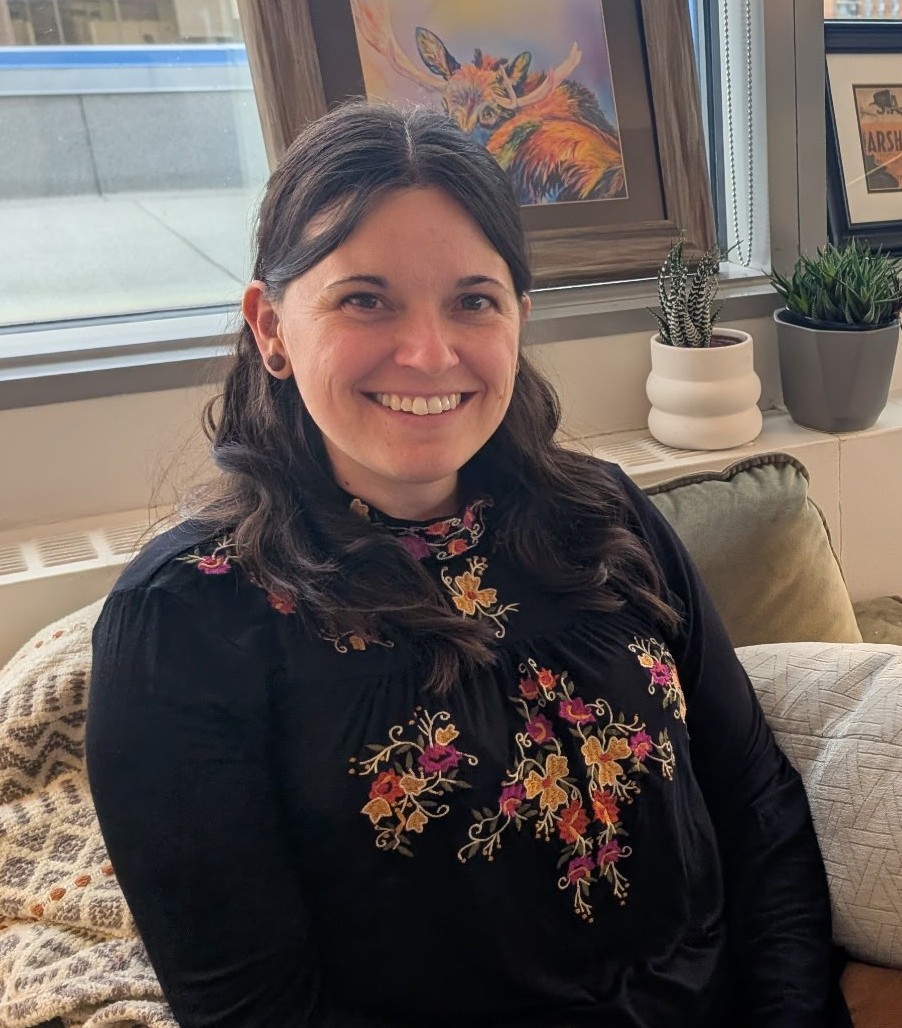
A typical conversation when I meet someone for the first time:
New Friend: “What do you do for work?”
Me: “I’m a music therapist.”
New Friend: “Oh!... That’s cool… So, you play music for people? What is music therapy?”
While this has decreased since I graduated in 2018, you are not alone if you don’t know what music therapy is! And I am so very happy to tell you all about it.

Here are the highlights:
What? Music therapy is when a Certified Music Therapist (MTA) uses music within therapeutic relationships to support cognitive, communicative, emotional, social, and spiritual development and well-being.
Where? A few places you may find music therapists are in hospitals, schools, long-term care facilities, substance use treatment programs, or in private practice.
Who? Music therapy can benefit neurodivergent individuals of all ages, anyone who struggles to put thoughts and feelings into words, individuals with acquired brain injuries, individuals with dementia or Alzheimer’s, anyone managing pain, and so many more.
How? In music therapy, a client may play instruments to strengthen fine and gross motor skills, discuss or write their own song lyrics to express themselves, use the melodic and rhythmic elements of speech to communicate verbally or non-verbally, engage in rhythm-based activities to physically and emotionally regulate, and much more.
Why? There are a lot of reasons both anecdotal and evidence-based to answer the question, why music therapy? But for this bullet point, I’ll give you mine. Have you ever had a moment when music brought up a long forgotten memory, made you feel an emotion (or many), or gave you a sense of connection or understanding? Maybe you remember all the words to a song you haven’t sung since you were 5 years old, or music in the background is just what you need to focus. That is the power of music that I try to harness in music therapy.
If you want to take a deeper dive into music therapy, please read on!

History of Music Therapy in North America
Evidence suggests that music has existed since prehistoric times. It will come as no surprise that music has been used in healing, spiritual practices, philosophy, and celebrations throughout human history. In the medical world, articles about using music therapeutically were written as early as 1789 and into the early 1800s. However, music therapy is still a relatively young evidence-based discipline.
While there was some music therapy research and practice in the 1800s and early 1900s, it became solidified as a therapeutic practice in Canada and the United States after effectively supporting World War II veterans. In 1950, The National Association for Music Therapy (now the American Music Therapy Association) was founded in the United States, but it wasn’t until 1976 that the Canadian Music Therapy Association (now the Canadian Association of Music Therapists) was established. Since then, music therapy educational programs have been developed and music therapists have become more common in hospitals, schools, long-term care facilities, as well as in private practice.
Education and Practice
In 1976, the first music therapy training program in Canada was founded at Capilano College (now University), North Vancouver and is an undergraduate program where students graduate with a Bachelor of Music Therapy. There are currently six music therapy education programs in Canada, three of which are masters-level programs. In addition to post-secondary coursework, each individual must complete a 1000-hour practicum and pass a board certification examination to become a Certified Music Therapist (MTA) in Canada.

The implementation of music therapy varies depending on the setting, the client, and their goals. Here are some examples of how I have used music therapy:
Hospice
Playing guitar and singing at the bedside of a patient to help manage their pain;
Facilitating music with a patient and their family to bond and share memories;
Write songs with family members to process grief.
School
Incorporate communication devices into songs to encourage neurodivergent students to communicate;
Play musical instruments to strengthen fine and gross motor skills of students with physical disabilities;
Encourage neurodivergent students to play instruments together to promote peer interaction.
Long-term Care
Listen to or play familiar songs with a person with Alzheimer’s or Dementia to promote connection to family members and self;
Play musical instruments to maintain physical fitness;
Sing or play music with other residents to prevent loneliness or social isolation.
Counselling
Choose songs to represent chapters of one’s life;
Write a song to express yourself in a different way;
Listen to music to enhance mindfulness practices or to decrease anxiety.
If you think music therapy might be a good fit for you or something you’d like to incorporate into your counselling experience, please read my bio and consider completing an intake with YEG Family Counselling today!
References

Comments